
How Automating Everyday Court Processes Helps Advance Justice
How automating everyday court processes helps advance justice.

How automating everyday court processes helps advance justice.
The National Center for State Courts’ National Open Data Standards initiative can help set national data standards by creating rules around how data are defined and recorded. Anyone adopting the national standards would share a set of common definitions and technical standards around data collection and sharing.
For many, virtual court has become synonymous with remote hearings, but from where we’re sitting, virtual court is so much more. Learn what courts are doing to go fully online and increase access for their communities.

Clean Slate laws have been a literal lifesaver for many people with a criminal record. Several states have already adopted Clean Slate laws, and more are on the way. What is your state doing, and are you going to be ready?
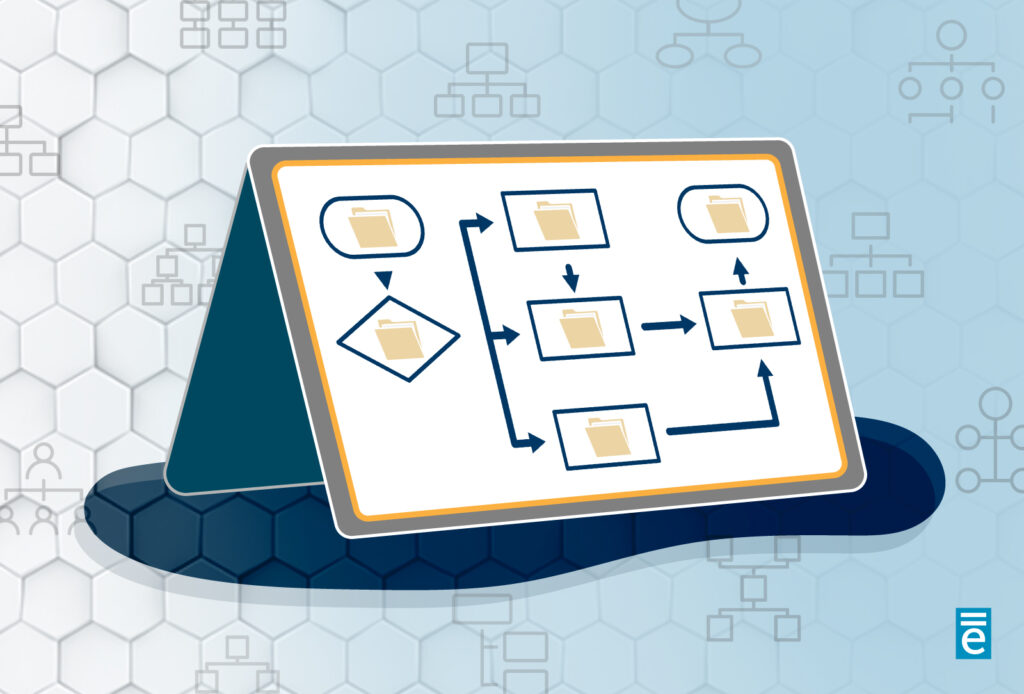
It’s not enough to simply have workflow functionality; your team needs a robust tool that’s specifically designed to move cases through their caseflow efficiently. How can you tell the difference?

Your judicial officers have unique case needs and demands on their time, and they need a flexible, configurable tool that is specifically tailored to their job.
…And that’s just the beginning. One of equivant’s latest innovations is state-level collaboration, where we’ve developed a baseline court case management solution that’s already customized to your state’s specific regulations, processes, practices, and needs.
We sat down with Becky Kelderhouse, General Manager – Court division of equivant, to talk about the impact of data and data sharing on the justice system.
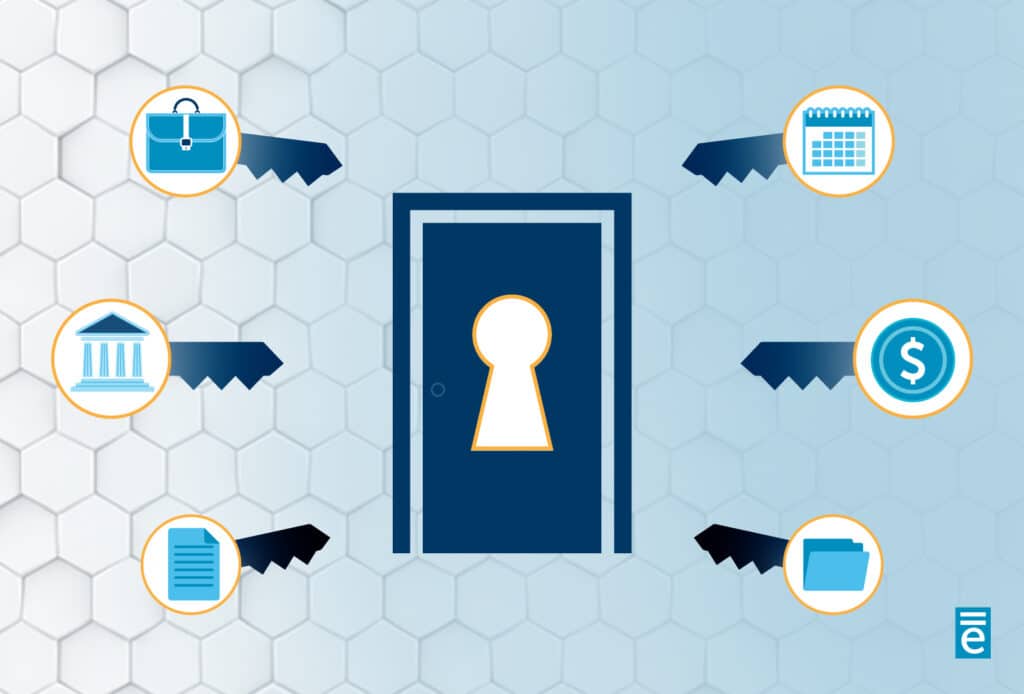
Every individual who interacts with your court cases has very specific information access needs. Learn more about the only solution on the market that gives you the flexibility to serve up information tailored to your stakeholders’ needs.

Data is coming and going through your agency at astounding rates and that data-sharing is an essential part of the justice process.
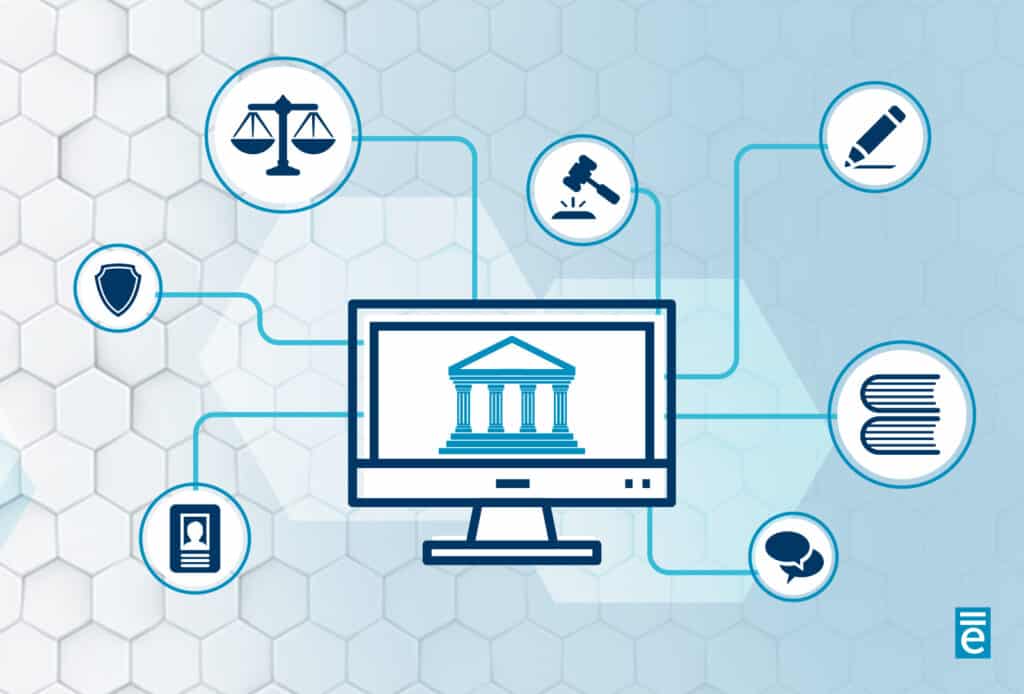
If you could design your ideal virtual court, what would it include? Now that we’re well past the panic, it’s time to think about what’s the right way for courts to operate remotely.
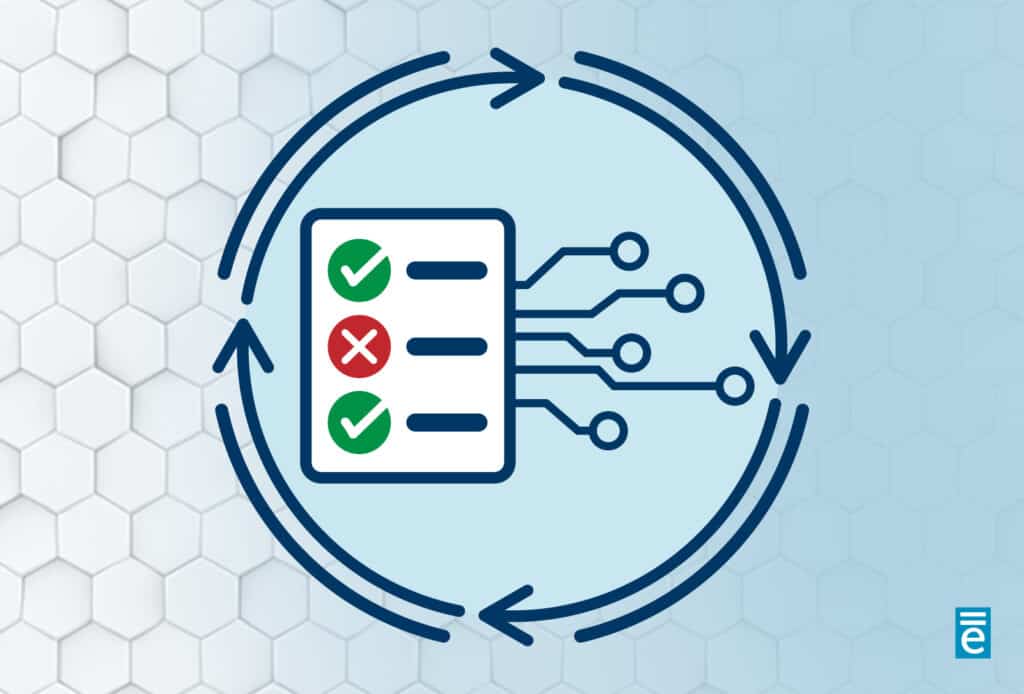
Find out more about triage automation and how your court can get cases on the right pathway to resolution.