
AI Isn’t Replacing Staff in Courts. It’s Making Them Better.
Read about the ways AI can be implemented into court processes so staff can focus on connecting with the general public.

Read about the ways AI can be implemented into court processes so staff can focus on connecting with the general public.
Learn how equivant’s eServices can empower your court’s staff and community, which will increase efficiency and accessibility for all.
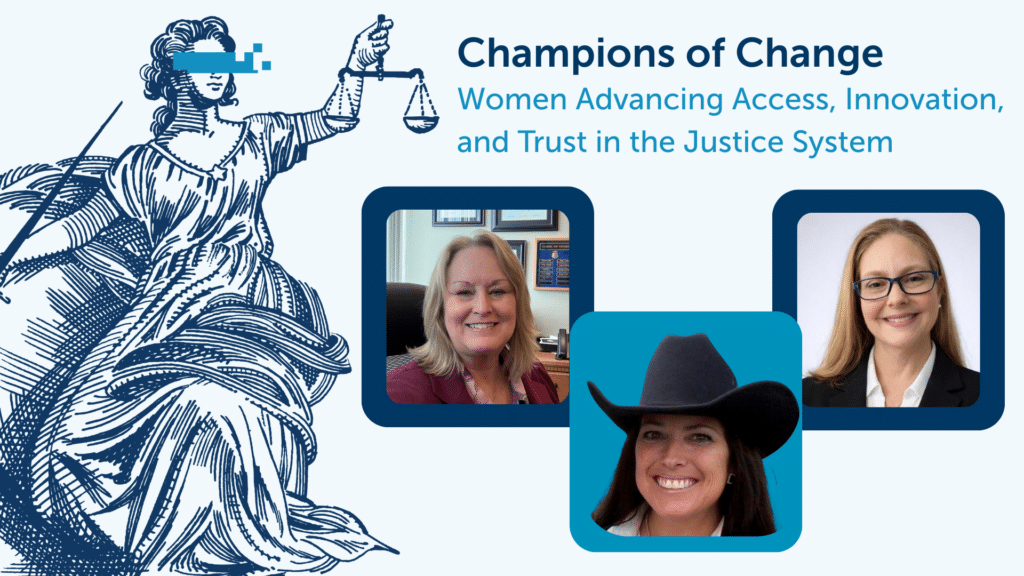
For International Women’s Day, we celebrate three equivant customers who are advancing justice in their communities.

Every CMS migration has challenges. The difference between a painful transition and a successful one is rarely the platform; it’s the preparation. Read our five tips for preparing your court for a CMS migration.

Meet the people who put equivant at the leading edge of the justice industry like Michael Peceny, PMO Manager.

Courts rapidly adopted technology at the pandemic’s start. Now they have the opportunity to combine remote and in-person proceedings and services to best serve justice and the public.

2026 is shaping up to be a pivotal year for courts and justice systems. Read about the top trends we anticipate to see this year as technology and court processes continue to evolve.

To future-proof, courts need a strong foundational case management system that will fully meet their needs now and be component-ready for the future. Find out what 7 features you should be looking for when upgrading or auditing your CMS.

Meet the people who put equivant at the leading edge of the justice industry like Matthew Sutton, Account Executive.

Courts that implement a reminder system are seeing higher appearance rates, more timely payments, improved caseflow, and better relationships with the communities they serve.

In an era where seeing is no longer believing, the justice system faces a major challenge: how to uphold truth when AI-generated deepfakes can distort reality. Learn more about this ongoing battle in the justice space and what is potentially to come.

Explore 5 reasons why courts need a project champion for their technology implementation projects and how they can keep a team goal-focused and on schedule.