4 Ways equivant Court’s eServices Improves Court Processes
Learn how equivant’s eServices can empower your court’s staff and community, which will increase efficiency and accessibility for all.

Learn how equivant’s eServices can empower your court’s staff and community, which will increase efficiency and accessibility for all.
Courts rapidly adopted technology at the pandemic’s start. Now they have the opportunity to combine remote and in-person proceedings and services to best serve justice and the public.

2026 is shaping up to be a pivotal year for courts and justice systems. Read about the top trends we anticipate to see this year as technology and court processes continue to evolve.

In an era where technology is transforming every aspect of our lives, the justice system is no different. Explore 9 ways technology is making justice more accessible for communities across the country.
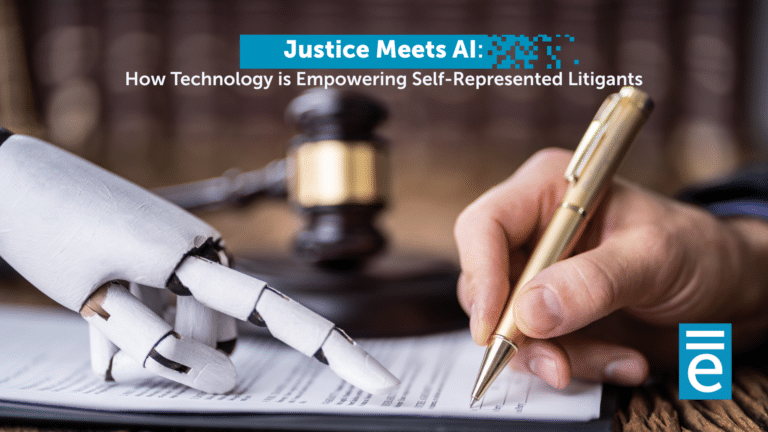
In courtrooms across the country, a quiet revolution is underway. As legal systems wrestle with the rising number of individuals navigating the justice system without legal representation, artificial intelligence (AI) is emerging as a powerful
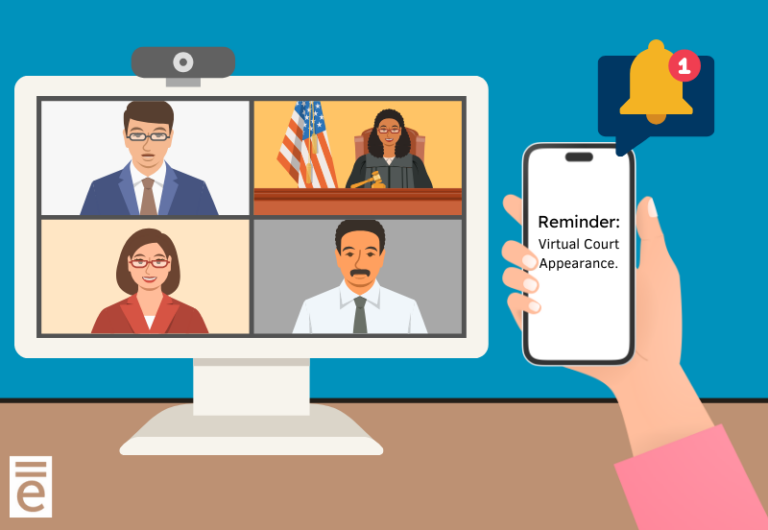
Technology is putting courts in a position to meet community members where they are at and advance justice across the nation. If you’re interested in reducing FTAs and improving court accessibility within your community, read more.

Prosecutor Jonathan Meyer and the team in Lewis County, Wash., are working to keep people with serious mental illnesses out of jail and in contact with the community resources they need.

Join host Sue Humphreys as she digs into court accessibility with special guest Renee Danser, Associate Director of Research and Strategic Partnerships at the Access to Justice Lab at Harvard Law School.