The Lasting Impact of Virtual Court
Courts rapidly adopted technology at the pandemic’s start. Now they have the opportunity to combine remote and in-person proceedings and services to best serve justice and the public.

Courts rapidly adopted technology at the pandemic’s start. Now they have the opportunity to combine remote and in-person proceedings and services to best serve justice and the public.
2026 is shaping up to be a pivotal year for courts and justice systems. Read about the top trends we anticipate to see this year as technology and court processes continue to evolve.
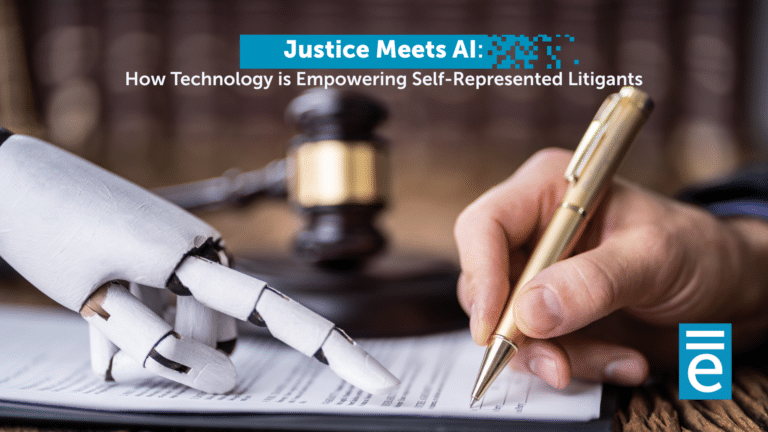
In courtrooms across the country, a quiet revolution is underway. As legal systems wrestle with the rising number of individuals navigating the justice system without legal representation, artificial intelligence (AI) is emerging as a powerful
Explore the key components and challenges of effective data governance in the justice industry. Learn how accurate data capture, adherence to standards, and frameworks like NODS and ECF ensure data integrity, security, and public trust. Discover the role of AI in enhancing data management and how to overcome obstacles to implement a robust data governance framework.

The judicial system is on the brink of a technological revolution. Traditional client-server and web-based (thin client) enterprise systems are rapidly losing favor among court employees, paving the way for cloud and app-based enterprise solutions.

What’s being done to promote data transparency within justice agencies? And how are courts getting involved?

Setting up secure data exchange between courts and other agencies can be a breeze, especially when courts embrace the process.