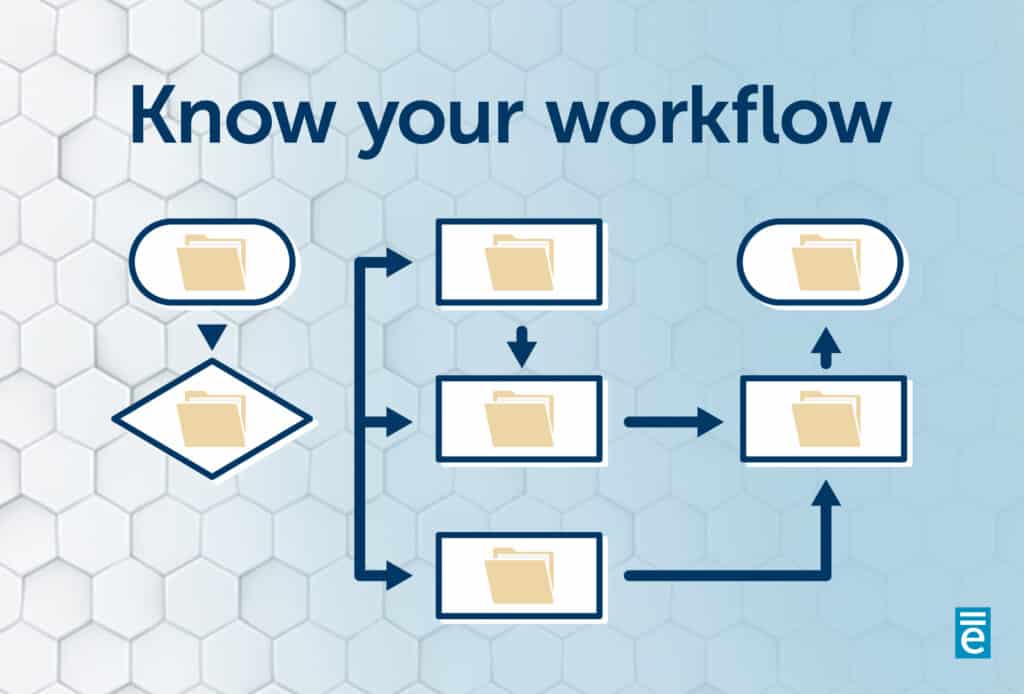
What You Need to Know About Workflows
While caseflow is about the case progressing through its timeline in an equitable way, workflow is the behind-the-scenes mechanism that makes it all happen.
While caseflow is about the case progressing through its timeline in an equitable way, workflow is the behind-the-scenes mechanism that makes it all happen.
What made that adaptation to work from home easier? Our customers tell us that personalization was key. As you and your team continue to evolve your ways of working, let’s leave behind the frustrating parts of our pandemic working lives, and let’s retain the helpful ones.

Try taking a step back and evaluating your EBP using the case formulation framework. Case formulation is bigger than case management – it’s about the way your agency and your partner agencies are navigating through a case, not just the way you’re managing it. And it might be the key to ensuring your EBP is working the way it should.

“It’s the best thing since sliced bread” is an expression for a reason. Sometimes the smallest thing can make the biggest difference. Thanks to technology, our days are filled with quick time-savers that we might not even notice anymore.
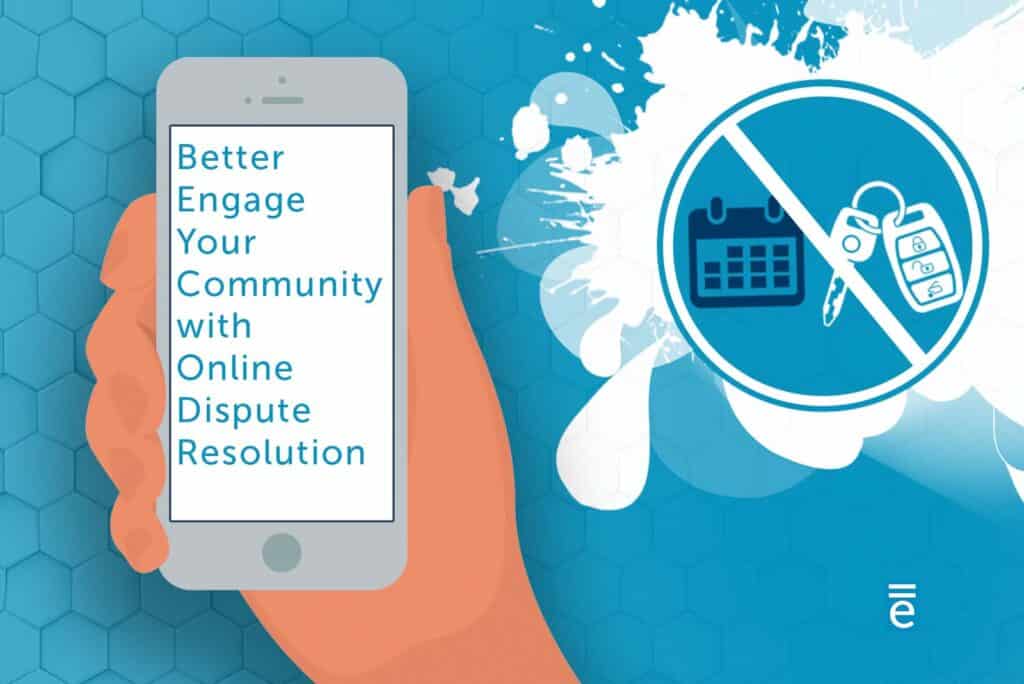
ODR tools allow court-involved people to engage with your court differently, saving time and money for all involved.

Simply having the data and being able to use the data effectively are two very different things. Here are the top 5 ways your case management tool can help you make sense of it all and easily move you from data to decisions.

Best Practice: Ensure you’re seamlessly exchanging data with other agencies and jurisdictions, and make sure your team can use the data you receive.

Best Practice: Avoid these four financial technology watch-outs to help make your clerks’ jobs easier.

Best Practice: Prioritize file storage. It’s the least glamorous and most critical investment you can make in your team’s productivity … and aspirin consumption.

Best Practice: Prioritize information access, and build your processes accordingly. Here are four ways your team can prioritize information access and find things faster.
Best Practice: Automate tasks whenever possible to capitalize on your team’s knowledge and skills, allowing them to focus on the critical elements of their job.
Best Practice: When designing or refining processes, take time to focus on each specific role and what it entails.